

The Low-Flow Mystery: Troubleshooting a Clogged RV Filter
![[HERO] The Low-Flow Mystery: Troubleshooting a Clogged RV Filter](https://cdn.marblism.com/fRbwo2O-vVS.webp)
Picture this: You pull into a beautiful campsite after a long day on the road. You hook up the water, head inside to wash your hands, and... drip, drip, drip. Your faucet is basically crying instead of flowing. What gives?
Welcome to one of the most common (and thankfully, most solvable) mysteries in RV life: the Case of the Clogged Filter. Before you start blaming the campground's water pressure or questioning your life choices, let's play detective and figure out what's really going on with your RV water system.
The Usual Suspect: Your RV Filter
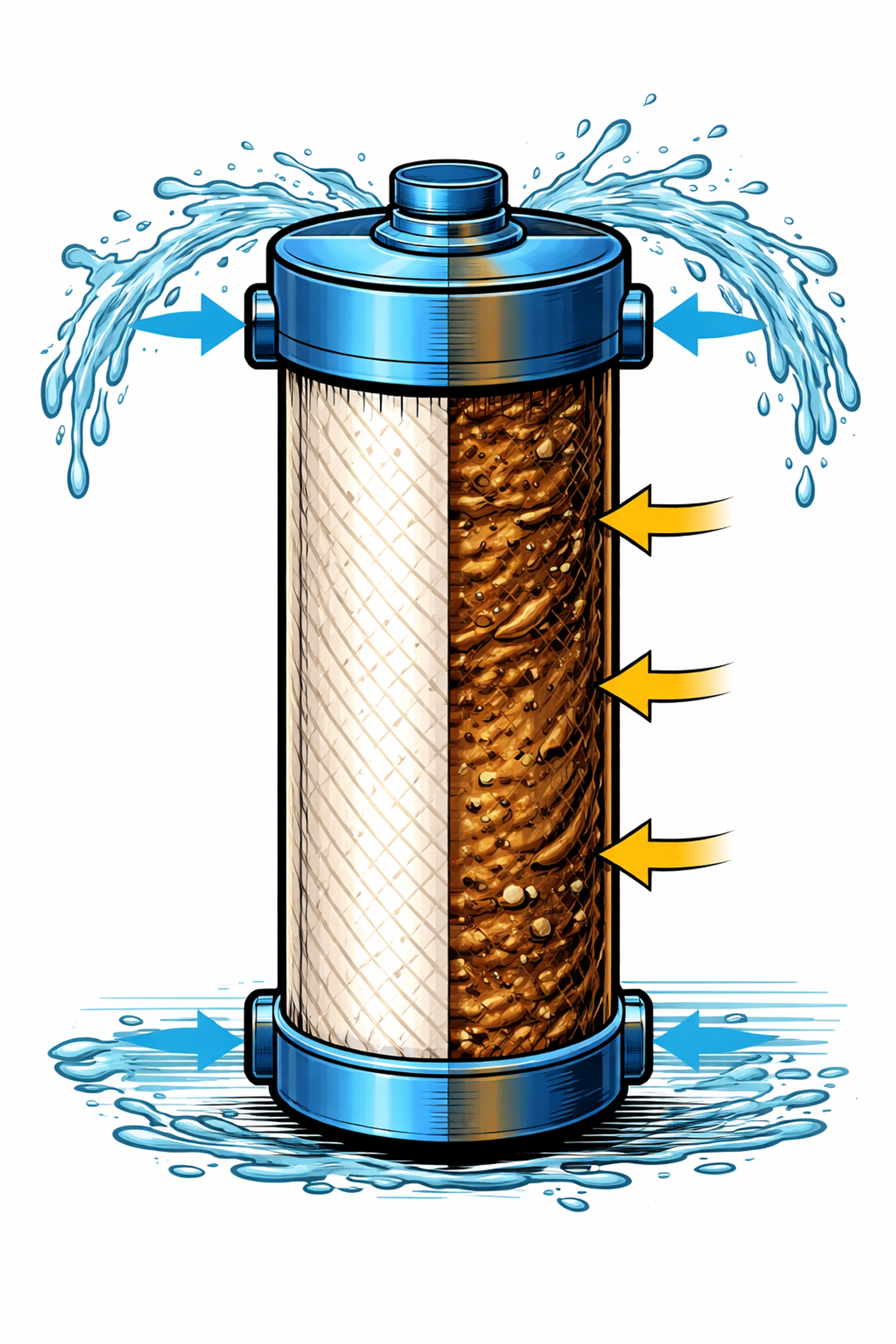
Here's the thing about your rv filter, it's doing exactly what it's supposed to do. It's catching sediment, chlorine, and all the nasty stuff you don't want in your drinking water. But over time, all that captured gunk adds up. Think of it like a coffee filter that's been used one too many times. Eventually, water just can't get through efficiently.
The irony? The better your filter works, the faster it can clog up, especially if you're camping in areas with high sediment or particularly questionable water sources.
Signs Your Filter Is the Culprit
Before you go tearing apart your entire plumbing system, let's identify the telltale signs that your rv water filter cartridge is ready for retirement:
1. The System-Wide Slowdown
If every faucet in your RV has turned into a lazy trickle, that's a big clue. When the clog is in your main filtration system, it affects everything downstream, kitchen sink, bathroom faucet, shower, the works.
2. The Gradual Decline
Did your water pressure slowly get worse over weeks or months? That's classic filter behavior. Clogs don't usually happen overnight (unless you hit a particularly muddy water source). They build up gradually as sediment accumulates.
3. The "New Campground, Same Problem" Syndrome
If you've moved to a new location with supposedly great water pressure and you're still getting a trickle, the problem is traveling with you. Your filter doesn't care about zip codes.
4. The Time Test
When's the last time you changed your filter? If you have to think about it for more than five seconds, that's probably your answer right there. Most rv filter cartridges need replacing every 3-6 months depending on usage and water quality.
The Detective's Toolkit: How to Diagnose the Problem
Alright, Detective. Let's confirm our suspicions before we make any arrests.

The Bypass Test
This is the definitive way to know if your filter is the problem:
- Temporarily bypass your filtration system by disconnecting the filter housing and connecting your water supply directly (or using a bypass valve if your system has one).
- Turn on a faucet and check the pressure.
- Compare the results. If water comes rushing out like it's been held hostage, congratulations: you've found your culprit.
Quick note: Don't leave your system bypassed for long. Unfiltered campground water can contain all sorts of things you'd rather not drink.
The Visual Inspection
If you have a clear filter housing, take a peek. Is your once-white sediment cartridge now looking like it moonlights as a mud wrestler? That's not a good sign.
For carbon cartridges, the visual check is trickier since they're usually black to begin with. But if you notice any visible buildup on the outside or the cartridge feels significantly heavier than a new one, it's time for a swap.
Check Your Fixtures Too
While you're playing plumber, pull off the aerators from your faucets and inspect them. Sometimes sediment sneaks past and collects in these little screens. A quick rinse can work wonders for individual fixtures.
The Fix: Replacement Time
Here's the good news: fixing a clogged filter is one of the easiest RV repairs you'll ever do. No special tools required. No YouTube rabbit holes necessary.
Step-by-Step Cartridge Replacement
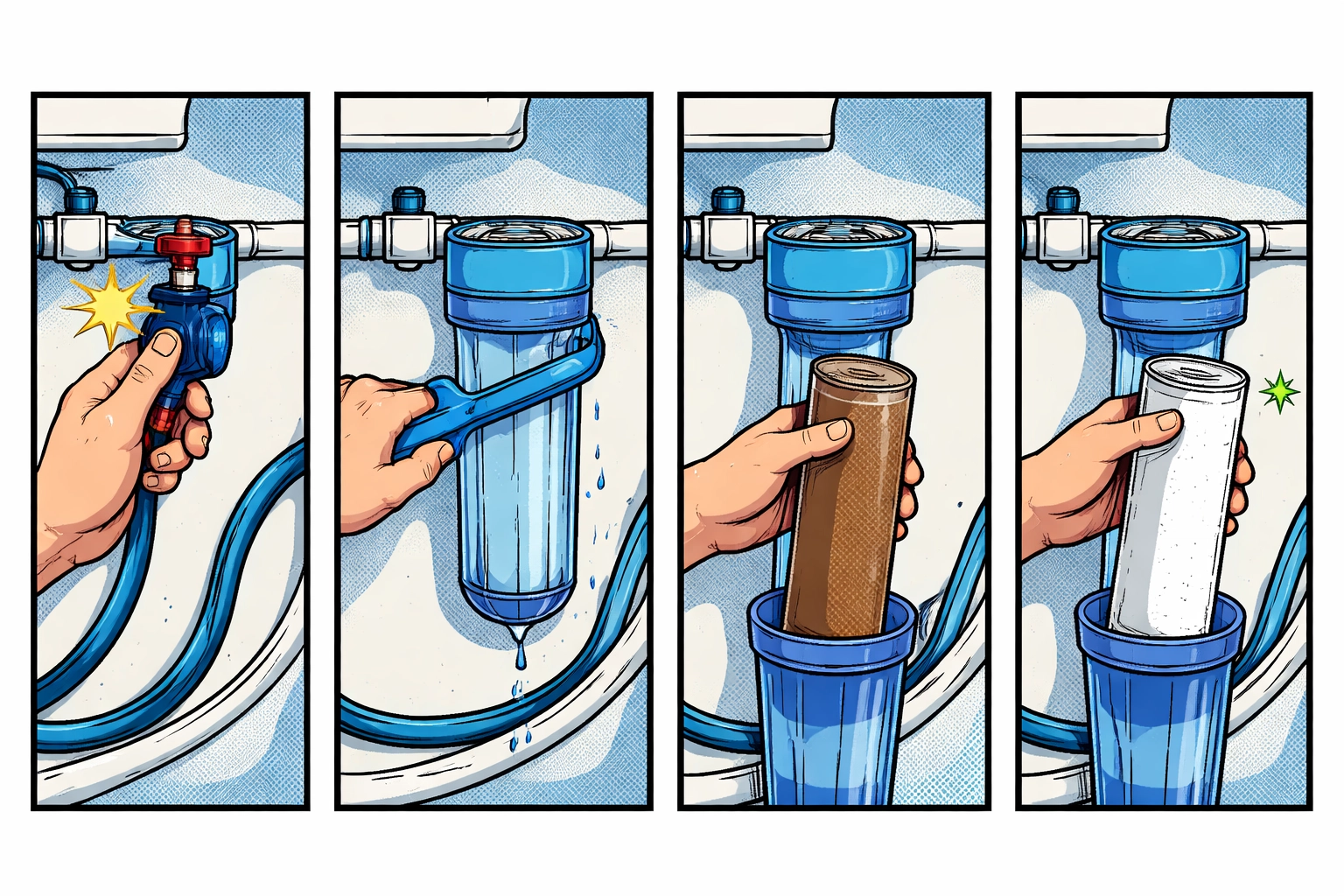
- Turn off your water supply (both the campground connection and your water pump).
- Release the pressure by opening a faucet until the water stops.
- Remove the filter housing using the wrench that came with your system.
- Pull out the old cartridge and try not to be grossed out by what you see.
- Insert the new rv water filter cartridge making sure it's seated properly.
- Hand-tighten the housing back into place (no need to go Hulk on it).
- Turn on the water and check for leaks.
- Run the water for a few minutes to flush out any carbon fines from the new cartridge.
That's it. You just solved the mystery and saved yourself a headache.
When the Filter Isn't the Villain
Sometimes, you do all the detective work, swap the cartridge, and... still have low flow. Don't panic. There are a few other suspects worth investigating:
Kinked or Collapsed Hoses
Check your fresh water hose from the spigot to your RV. Is it kinked? Bent at a weird angle? Older hoses can also collapse internally, creating a hidden blockage you can't see from the outside.
Faulty Pressure Regulator
Your pressure regulator protects your RV plumbing from high-pressure campground water. But if it's malfunctioning, it might be restricting flow more than necessary. Try bypassing it temporarily to test.
Water Pump Issues
If you're only experiencing low pressure when using your onboard tank (not hooked up to city water), your water pump might have a clogged intake screen. These little screens catch debris before it enters the pump and need occasional cleaning.
Campground Pressure Problems
Sometimes it really is the campground. If multiple RVs around you are complaining about pressure, or if the flow changes dramatically during peak usage times (morning showers, evening dishes), the source might be out of your control.
Prevention: The "Never Think About It Again" Strategy
Look, we get it. Remembering to check your rv filter isn't exactly at the top of your adventure to-do list. That's why we created our Subscribe & Save program.
Here's how it works: You tell us what filter cartridges you need and how often you need them. We ship them to your door (or your mail forwarding service) automatically. You save 15%, and you never have to wonder "when did I last change that thing?" again.
It's like having a personal assistant for your RV's water system: minus the awkward small talk.

Case Closed
The Low-Flow Mystery isn't really a mystery at all once you know where to look. Nine times out of ten, a clogged filter is the culprit, and the fix takes about five minutes.
Keep a spare cartridge in your RV, pay attention to the warning signs, and your water pressure will stay strong from coast to coast. Happy travels, Detective: may your showers be powerful and your drinking water crystal clear.
Got questions about which replacement cartridge is right for your system? Drop us a line: we're always happy to help solve the next water mystery.


